
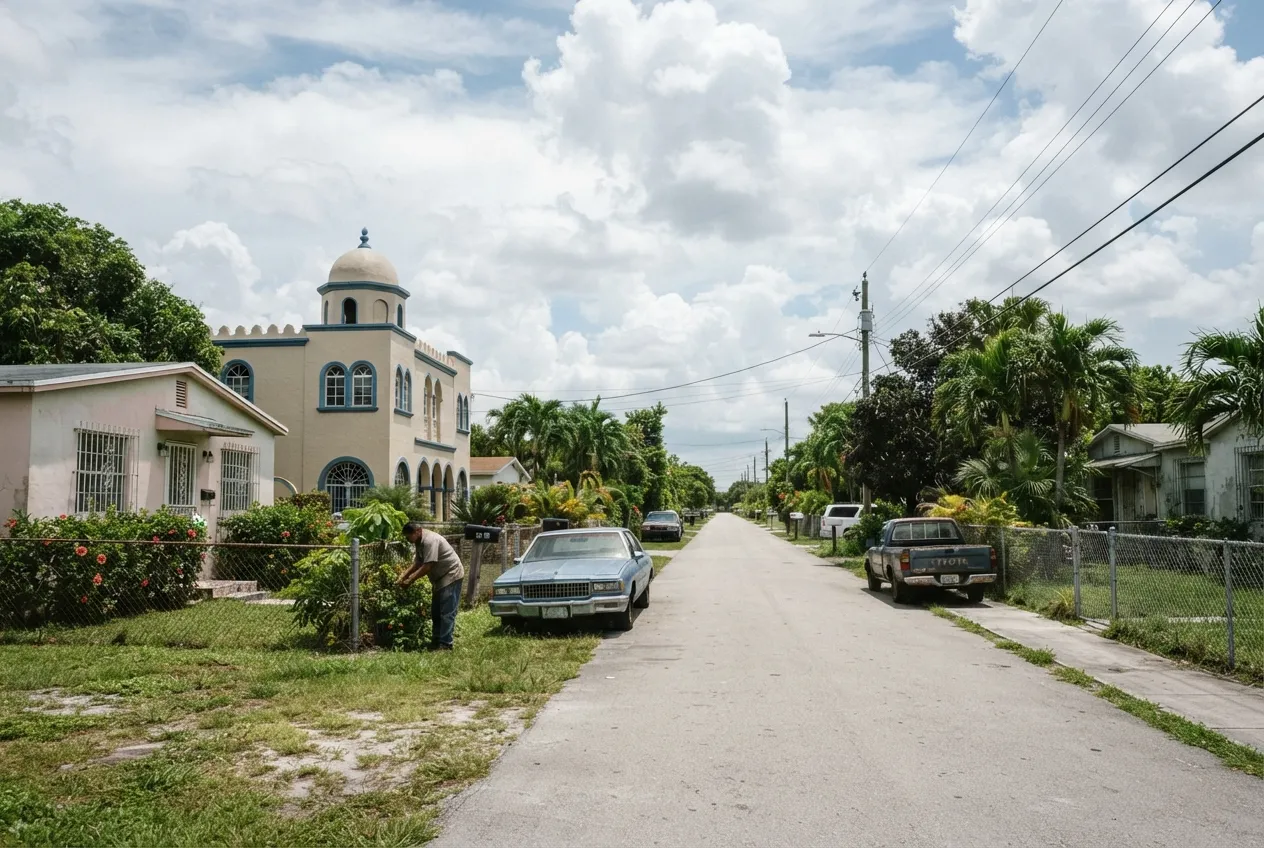
Why Heat Pumps Make Sense for Opa-locka Homes
Our area has a tropical monsoon climate. From May through October, the wet season brings heavy humidity and frequent afternoon thunderstorms. November through April is sunnier and less humid, but it is still warm enough that most households keep the air conditioning running for much of the year.
A heat pump moves heat out of your home in cooling mode, just like a standard AC. On the rare chilly night, it reverses and moves heat in. For an Opa-locka homeowner, that means one outdoor unit and one indoor air handler covering both needs, instead of an AC paired with electric strip heat that you rarely use but still maintain.
What a Heat Pump Installation Includes
A good installation is about more than setting a new unit on a pad. Each step affects how well the system cools, how much moisture it removes, and how long it lasts. Here is what we cover on a typical replacement or new install:
- A walk-through of your home to review square footage, windows, insulation, and sun exposure
- A load calculation to choose the right capacity, rather than matching the old unit's size by default
- An inspection of existing ductwork for leaks, crushed runs, and poor connections
- Removal and proper disposal of the old equipment and refrigerant
- Setting and securing the outdoor unit and installing the matched indoor air handler
- Refrigerant line, electrical, and condensate drain connections
- Thermostat setup and a full system startup with airflow and temperature checks
- A walkthrough with you on settings, filter changes, and what normal operation sounds like
Sizing a Heat Pump for Humidity, Not Just Heat
Bigger is not better in a humid climate. An oversized heat pump cools the air quickly and shuts off before it has run long enough to pull moisture out. The result is a house that hits the thermostat setting but still feels damp and sticky, and that extra moisture can encourage mildew in closets and on walls.
We size each system based on your home's actual cooling load. We also look at options such as variable-speed or two-stage equipment, which can run longer at lower output and remove more humidity during the wet season. We will explain the tradeoffs so you can choose what fits your home and budget.
Rebates and Tax Credits to Know About
Florida Power & Light runs a Residential HVAC program that offers rebates on qualifying high-efficiency heat pumps and central air conditioners. These rebates are handled through participating contractors at the time of installation, not applied for afterward. Program terms can change, so we confirm the current requirements before we include anything in your quote.
You may have heard about a federal tax credit for heat pumps. The Energy Efficient Home Improvement Credit (25C) only covered qualifying heat pumps placed in service before December 31, 2025. It is not available for new installations after that date, so it should not factor into your plans today.
Planning Around Hurricane Season and Storms
The Atlantic hurricane season runs from June 1 to November 30, which overlaps with the busiest stretch of cooling demand. If your current system is struggling, scheduling a replacement during the drier months from late fall through spring usually means more flexibility and less time without cooling.
During installation, we pay attention to how the outdoor unit is mounted and secured, where it sits relative to drainage, and how the condensate line is routed. These details matter when heavy rain and strong wind arrive. After a major storm, it is wise to have the system checked before running it if the outdoor unit was exposed to flooding or debris.